
 By Alan Gore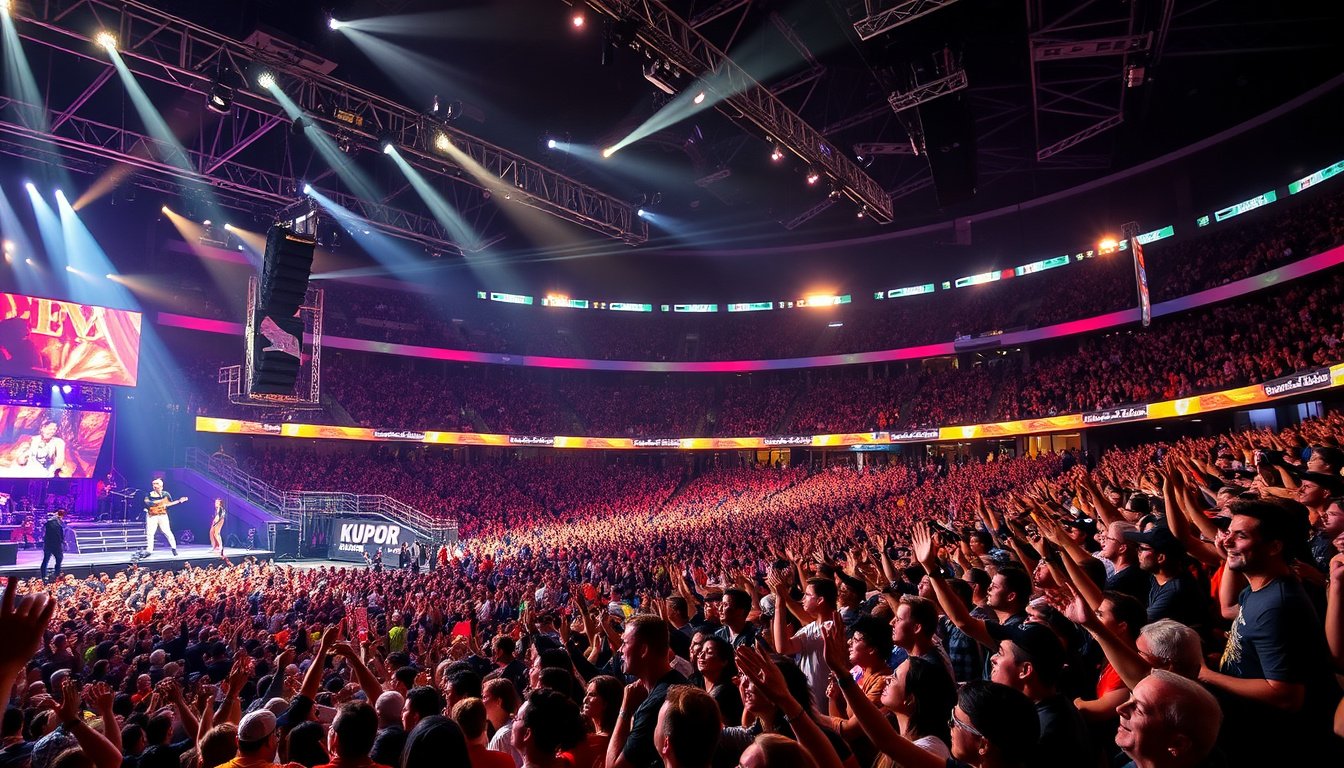
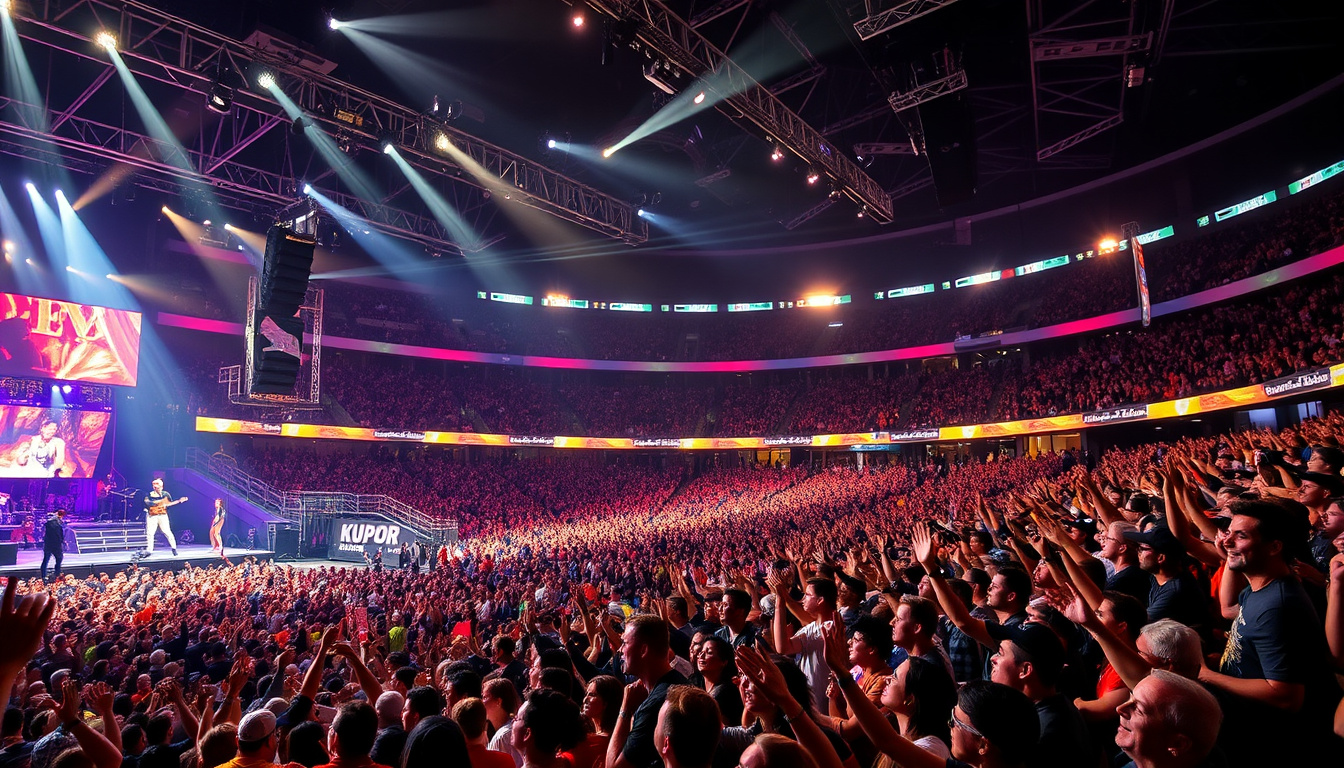
In a highly anticipated return to the stage, Ye, the iconic musician formerly known as Kanye West, electrified the audience at the Superdome in New Orleans for his first concert in the city in over a decade.
This epic comeback was not only a celebration of music but also a source of heated discussion and debate, drawing fans and critics alike.
In this article, we’ll delve into the build-up leading to Ye’s performance, the controversial aspects that surrounded the event, and the varied reactions from attendees and the wider public.
Join us as we explore how Ye’s Superdome concert reignited the fervor for live music, while simultaneously sparking significant conversation about the artist, his journey, and the impact of his music on today’s culture.
Key Takeaways
- Ye’s return to New Orleans after 13 years sparked mixed reactions from fans and critics alike.
- The Superdome concert served as a platform for Ye to address controversies surrounding his career.
- Attendance at the concert demonstrated Ye’s enduring appeal and ability to galvanize supporters despite past controversies.
The Build-Up to Ye’s Superdome Concert
As anticipation mounts for Ye’s highly anticipated Superdome concert, the event marks his first performance in New Orleans in over 13 years, stirring excitement among fans and divisive opinions alike.
Amid a backdrop of controversy, many are intrigued by what the artist has in store at this iconic venue.
Known for his elaborate shows, Ye promises a night filled with high-energy performances and stunning visuals, continuing his legacy of groundbreaking live concerts.
Fans are encouraged to secure their tickets early to witness this historic moment, as the Superdome can host over 70,000 attendees, making it one of the largest venues for live performances in the region.
In this article, we will delve into the build-up, performance expectations, and the cultural significance of Ye’s return to New Orleans.
Reactions: From Controversy to Celebration
Live concerts have always been a crucible of emotion, drawing in audiences eager to share an experience that is both immersive and electrifying.
This sentiment was palpably visible at Ye’s recent performance at the Superdome in New Orleans, which marked his first concert there in over a decade.
The atmosphere was charged with anticipation, of excitement, and a pinch of controversy as fans packed the venue.
Following a tumultuous period filled with ups and downs, Ye’s return was not merely a musical event; it quickly transformed into a celebration of resilience and creativity.
Despite recent challenges in both his personal and public life, the artist managed to unite voices of dissent and appreciation, garnering reactions that swung from skepticism to admiration.
This juxtaposition of reactions throughout the concert illustrated how powerful live performances can be, serving as a reminder of music’s ability to bridge divides and foster community.
The overall experience encapsulated the essence of what live concerts strive to achieve—sparking joy, reflection, and conversation among diverse crowds.
In light of these events, it is evident that live concerts are more than entertainment; they are vital cultural moments that reflect the complexities of both the artists and their audiences.