
 By Alan Gore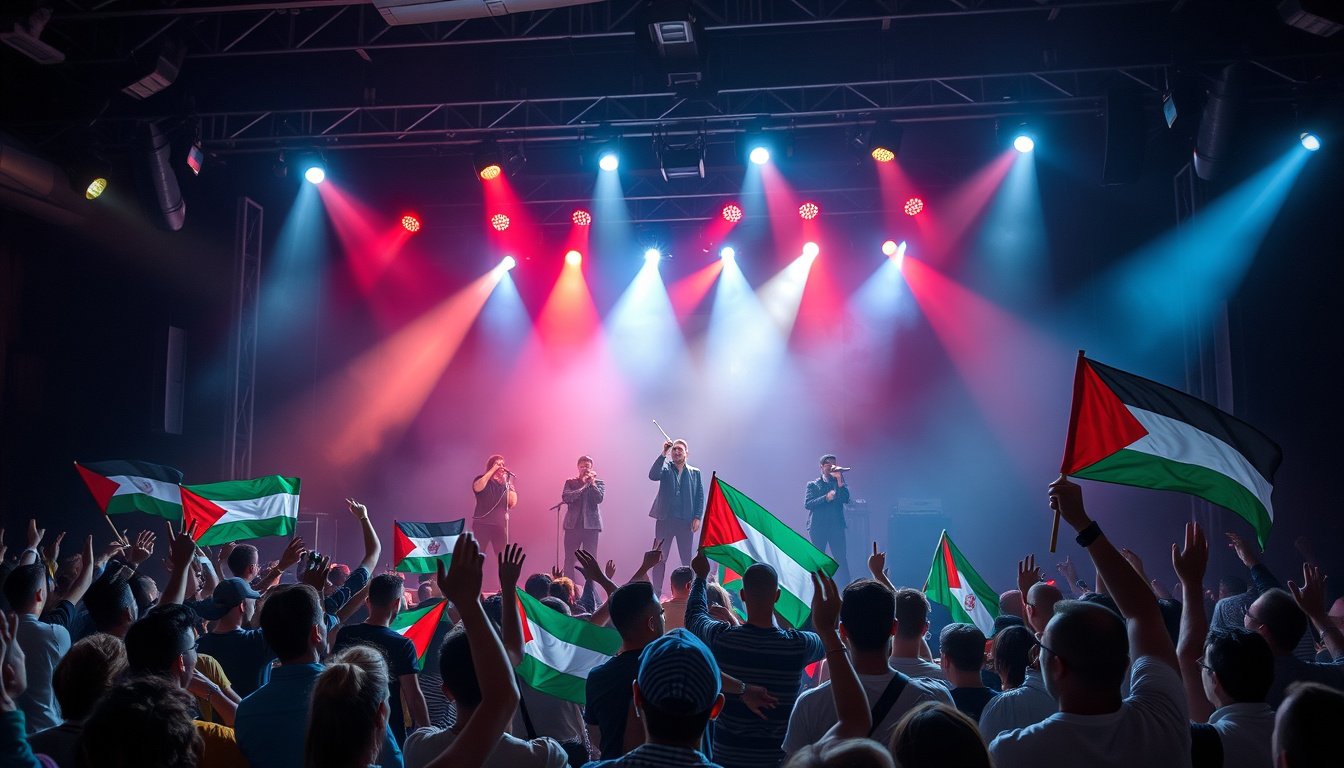
The ongoing Israeli-Palestinian conflict has long been a pivotal issue among Arab populations worldwide, often shaping cultural and social narratives.
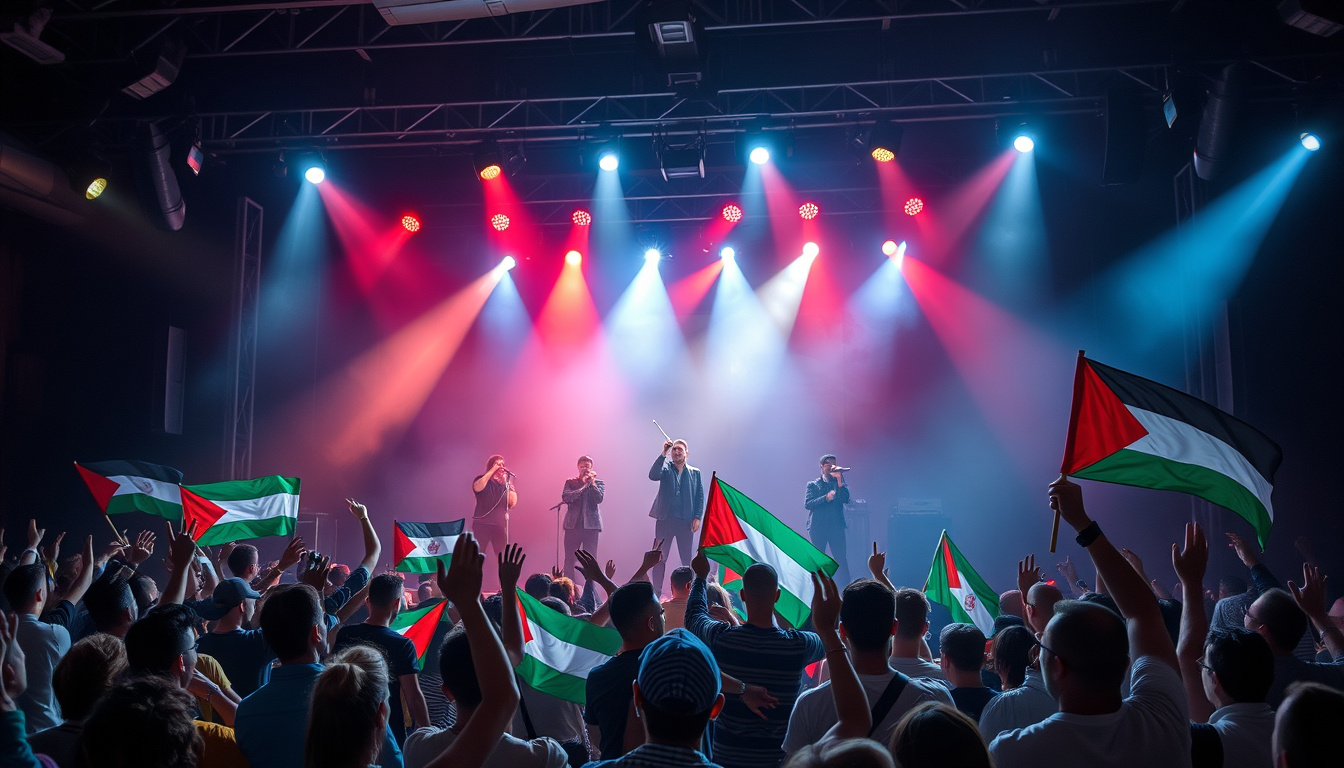
Recent live concerts featuring renowned international artists, however, have stirred a complex dialogue about the continuing support for the Palestinian cause.
As crowds gather to enjoy performances, questions arise concerning the impact of these events on public opinion towards Palestine.
This article delves into the intricate relationship between concerts and Arab support for Palestine, exploring how entertainment can sway sentiments and the potential ramifications of what some are calling ‘divided loyalties.’ By examining the role of concerts, we aim to illuminate the intersection of culture, politics, and identity in the context of a deeply rooted regional conflict.
Key Takeaways
- Concerts can significantly influence public sentiment regarding political causes.
- Divided loyalties among Arab populations reflect a complex relationship with the Palestinian issue.
- The debate around concerts highlights the shifting dynamics of support for the Palestinian cause among youths.
The Role of Concerts in Shaping Public Opinion
Live concerts have always been more than just entertainment; they serve as a vital platform for shaping public opinion and mobilizing social change.
As artists take the stage, their music resonates with collective emotions, providing a unique opportunity to address pressing political and social issues.
For instance, a recent concert sparked intense discussions surrounding the Palestinian cause, raising questions about whether Arab perspectives on this issue are shifting amid changing geopolitical landscapes.
Such events illuminate the power of music as a tool for activism, enabling audiences to engage with significant topics in a profound and personal way.
In this context, concerts not only entertain but also foster dialogue and encourage individuals to reflect on their values and beliefs, ultimately influencing public sentiment.
As they evolve, live performances continue to play a crucial role in not just shaping cultural narratives, but also in galvanizing community action and fostering platforms for meaningful discourse.
Consequences of Divided Loyalties among Arab Populations
The consequences of divided loyalties among Arab populations are becoming more pronounced in light of recent events, such as a controversial concert that has sparked widespread debate regarding support for the Palestinian cause.
This fragmentation in allegiance can be attributed to a variety of factors, including political sentiments, cultural identity, and socioeconomic conditions.
While many still rally behind the Palestinian struggle, there is an emerging sentiment within some Arab communities that prioritizes local issues or individual political preferences over collective solidarity.
This shift has led to a noticeable divide, with younger generations often more focused on global concerns, such as climate change and human rights, rather than specific regional conflicts.
Ultimately, this evolving landscape raises critical questions about identity, unity, and the future of advocacy within Arab populations, as the blending of interests could either dilute or redefine what solidarity means in the contemporary context.