 By Alan Gore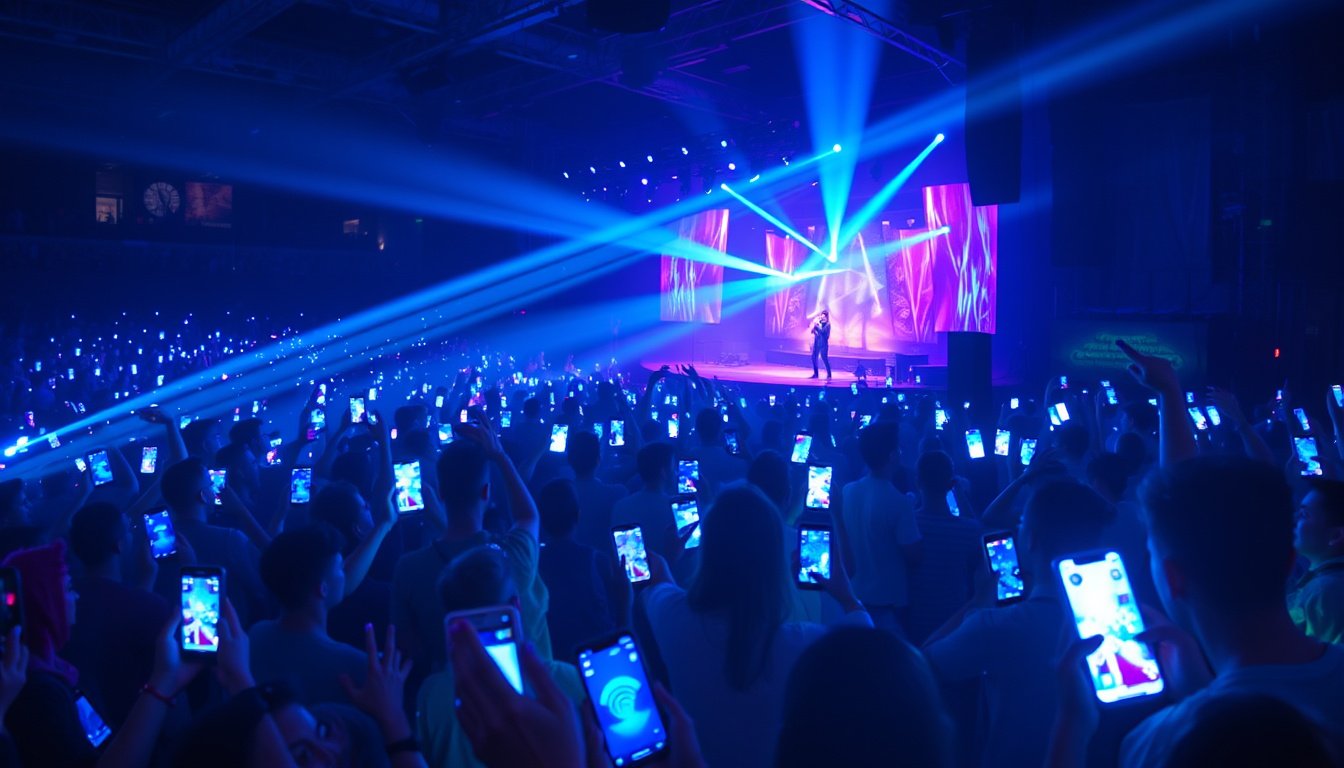
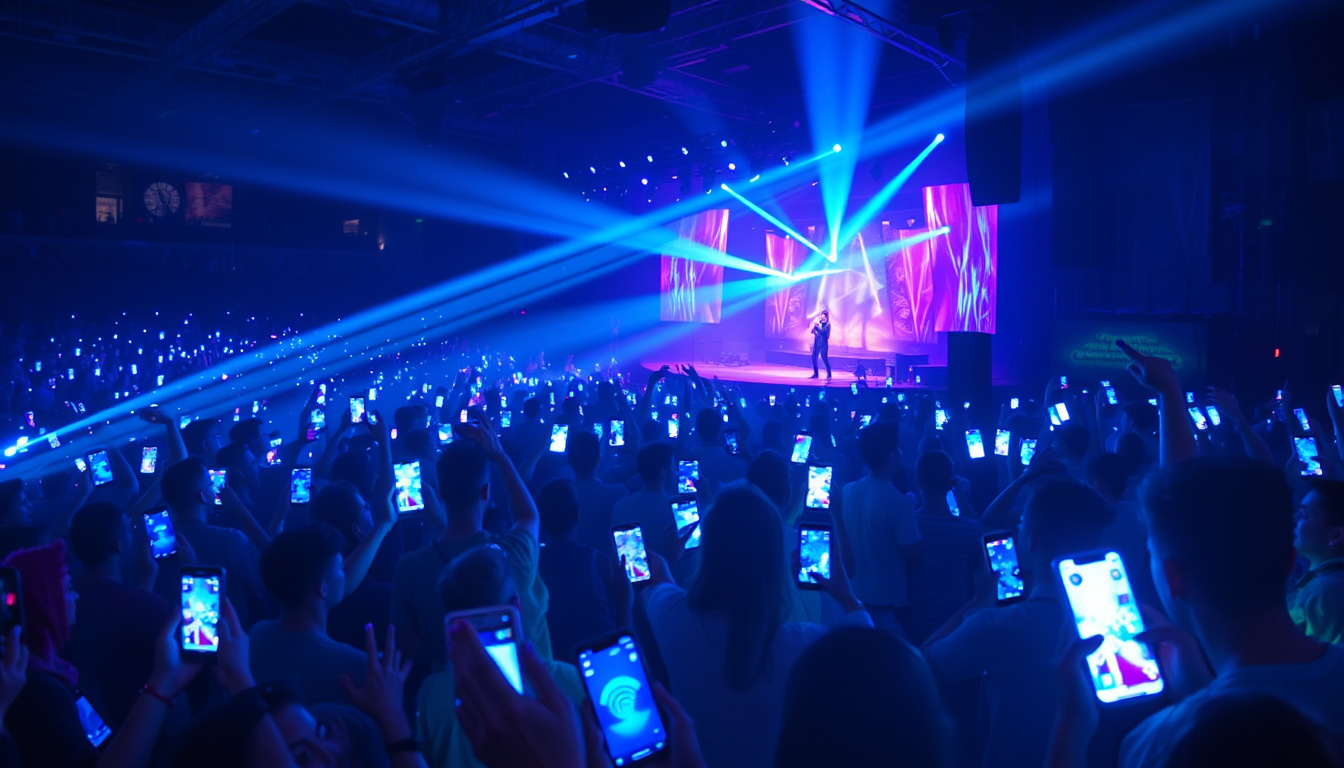
In recent years, the phenomenon known as ‘Blue Dot Fever’ has made significant waves in the live concert scene, capturing both the attention of fans and the scrutiny of performers.
This term refers to the growing trend of audience members being more focused on capturing the concert experience through their smartphones rather than fully immersing themselves in the live performance.
As we dive deeper into this topic, we will explore the origins of ‘Blue Dot Fever,’ its impact on audience engagement, and what both concert-goers and artists can do to enhance their experience while preserving the magic of live music.
Key Takeaways
- ‘Blue Dot Fever’ refers to the phenomenon of audience members feeling compelled to capture their concert experience through social media.
- This trend significantly impacts audience engagement during live performances, altering their focus from the music to their devices.
- Understanding ‘Blue Dot Fever’ is essential for artists and event organizers to enhance the live concert experience.
Understanding ‘Blue Dot Fever’ and Its Origin
As live concerts gain traction globally, a captivating phenomenon known as ‘Blue Dot Fever’ has emerged, capturing the interest of both concert-goers and industry experts.
Originating from the distinct blue dot on tickets that signals a highly coveted seat within a venue, this term reflects the eagerness of fans to secure tickets for their favorite artists.
With the rise of digital ticketing platforms, the demand for these blue dot experiences has surged, leading to an increase in competition among attendees.
This intense desire is further fueled by social media, where images of packed venues and ecstatic fans amplify the allure of attending a live concert.
Understanding ‘Blue Dot Fever’ is essential not only for fans looking to enjoy the thrill of live music but also for promoters aiming to navigate the evolving landscape of concert events.
As the phenomenon continues to shape public interest, concert enthusiasts must stay attuned to the latest trends and ticketing strategies to fully embrace the electric atmosphere that live performances provide.
The Influence of ‘Blue Dot Fever’ on Audience Engagement at Concerts
The phenomenon known as ‘blue dot fever’ has become a striking influence on audience engagement at live concerts, drastically reshaping how fans interact with performances.
Originating from the persistent habit of concertgoers to capture moments through their smartphones, the prevalence of blue dots—representing the light from a phone’s camera—has introduced a new dynamic during performances.
Audiences now often prioritize documenting their experiences over being present, which has led to mixed reactions from both artists and concertgoers.
Artists like Ed Sheeran have explicitly addressed this trend, encouraging fans to immerse themselves in the moment and enjoy the concert without the distraction of their devices.
This call for engagement reflects a broader concern about the authenticity of the concert experience, leading to a potential shift in concert etiquette where audiences are encouraged to be more present.
Moreover, the rise of social media platforms has amplified the importance of live concerts as a shared experience.
Fans are keen to share their experiences with followers, pushing the boundaries of traditional engagement.
Lighting effects, lively crowds, and the overall energy of a concert are now often shared in real-time, affecting not only immediate audience behavior but also the way future events are marketed and perceived.
Promoters and venues are responding to this trend by incorporating designated areas for phone use and creating immersive experiences that prompt greater live engagement without obstructions from devices.
As ‘blue dot fever’ continues to evolve, it serves as a poignant reminder of the delicate balance between technology and genuine live concert enjoyment.
Ultimately, fostering an atmosphere where fans can relish the excitement of live performances unencumbered by screens may transform concert culture for years to come.