
 By Alan Gore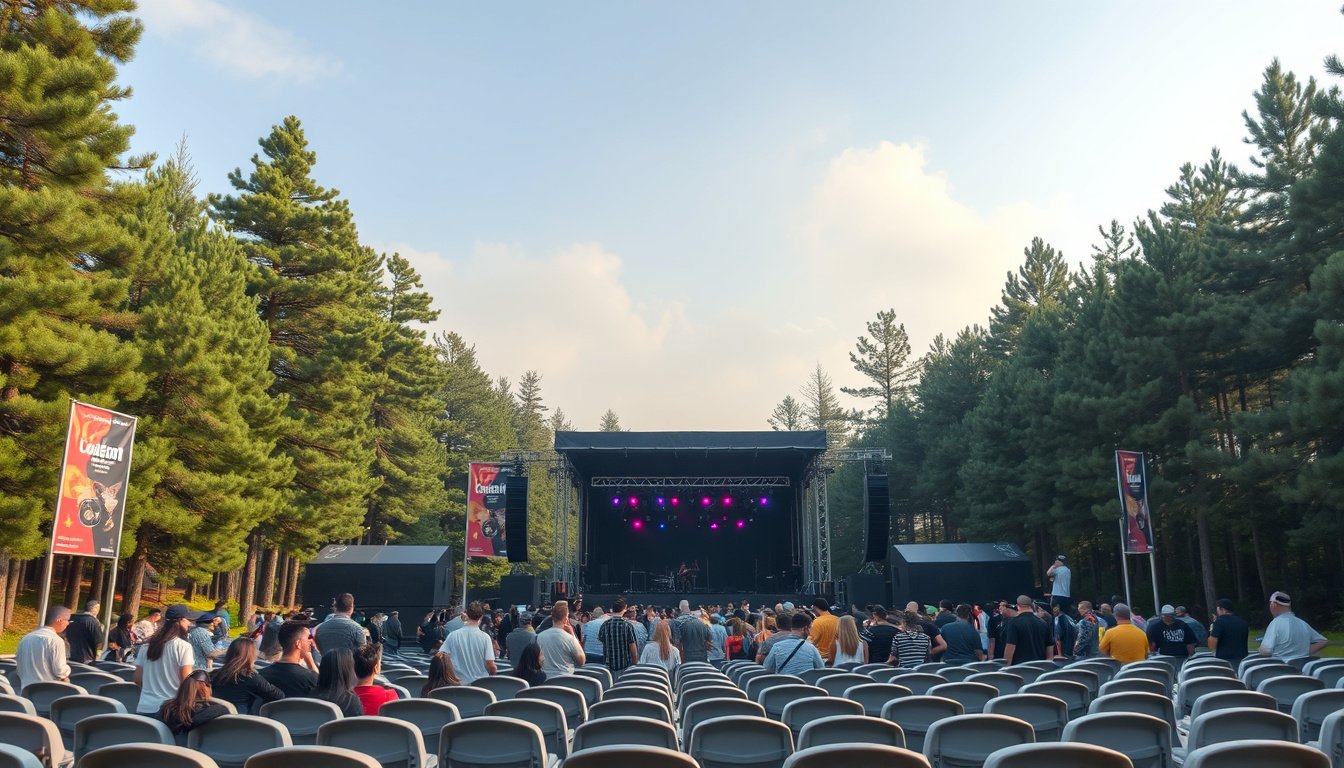
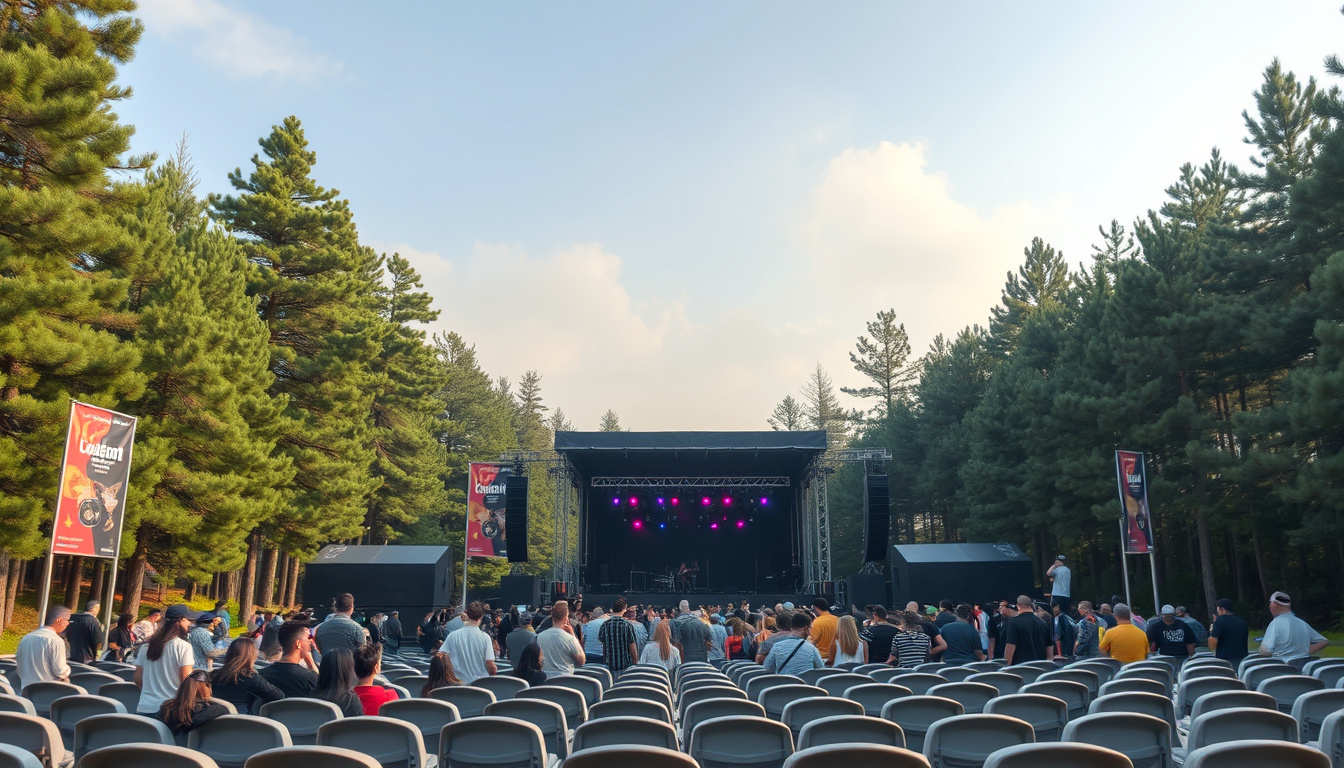
In a recent turn of events, fans of rock icon John Mellencamp were left disappointed as the much-anticipated concert at Pine Knob Music Theatre was canceled due to air quality concerns.
With smoke from wildfires affecting large portions of the region, health officials issued warnings about the potential risks associated with poor air quality.
This article aims to provide fans with essential details regarding the cancellation, the impact on future concerts, and how to stay informed about air quality in relation to live events.
Key Takeaways
- John Mellencamp’s concert at Pine Knob has been canceled due to serious air quality issues.
- Fans should stay informed about air conditions that may affect future events.
- Understanding air quality concerns is crucial for both safety and planning attendance at concerts.
Understanding the Air Quality Concerns
As live concert enthusiasts prepare for the exciting return of performances in open-air venues, it’s critical to understand the impact of air quality on these events.
Recent cancellations, such as John Mellencamp’s concert at Pine Knob due to poor air conditions, spotlight the importance of prioritizing health and safety over entertainment.
Events like this are affected by factors such as pollution levels, smoke, and particulate matter in the air, which can pose serious risks to both artists and audience members.
When air quality drops, not only can it lead to canceled performances, but it also raises concerns around respiratory issues for attendees, especially those with preexisting conditions.
Concert-goers should stay informed about local air quality indices—available through various online platforms and apps—to ensure a safe and enjoyable experience.
Ultimately, while the thrill of live music is unparalleled, the health of fans must always come first.
Impact on Fans and Future Concerts
The cancellation of John Mellencamp’s concert at Pine Knob due to poor air conditions highlights the growing concern surrounding live events and their impact on fans and the future of concerts.
As health and environmental factors increasingly interfere with concert schedules, fans are left navigating their disappointment and potential financial losses from ticket purchases.
This event not only underscores the unpredictability of outdoor concerts, especially in regions prone to extreme weather, but also raises questions about how promoters and venue managers might adapt to ensure fan safety moving forward.
In light of recent developments, it is crucial for concert-goers to remain informed about safety protocols and future plans, as artists and organizers explore technological solutions, such as real-time weather monitoring systems and enhanced air quality assessments, that can mitigate such cancellations.
This attention to fan experiences and safety will be paramount in maintaining the vibrancy of live music culture, ensuring that the connection between artists and audiences continues to thrive despite unforeseen challenges.