
 By Alan Gore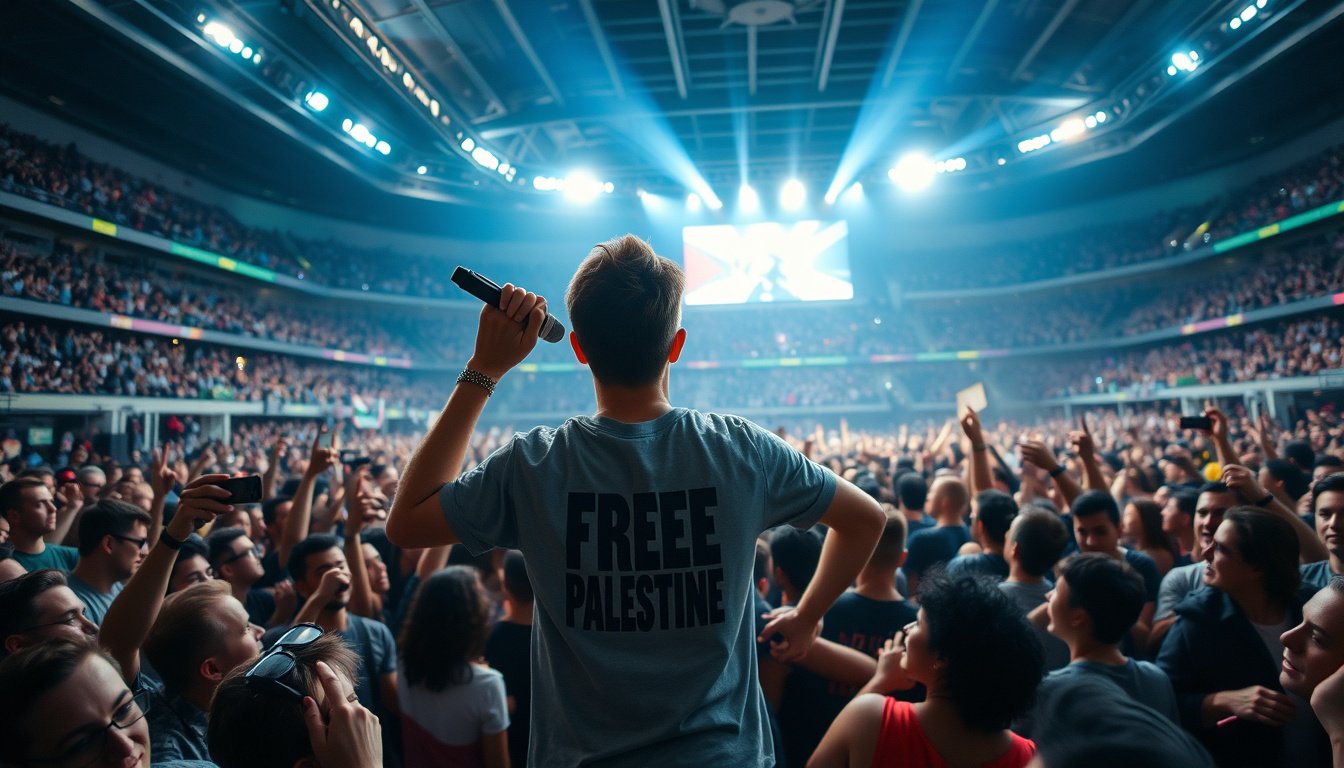
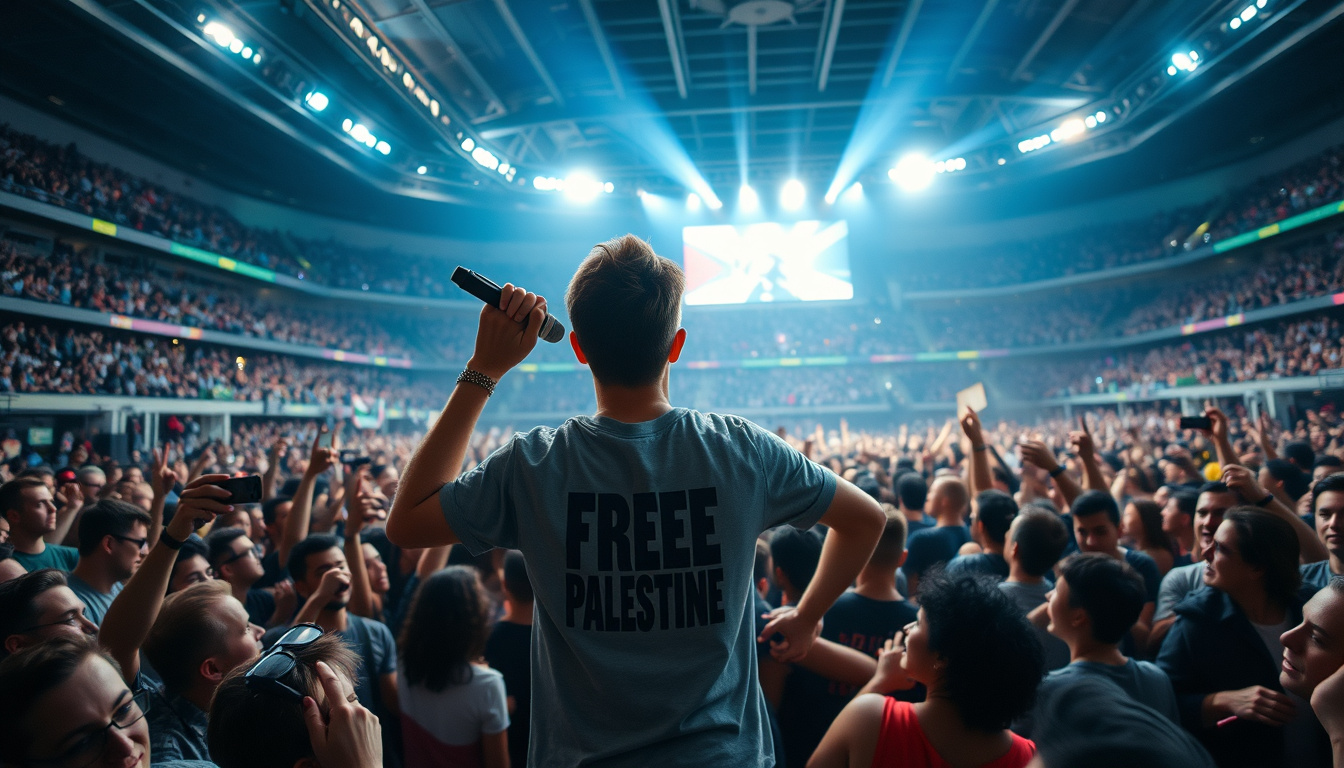
In a powerful display of solidarity and activism, singer-songwriter Zach Bryan made headlines during his recent concert at Gillette Stadium by donning a ‘Free Palestine’ t-shirt.
This moment came just weeks after the controversial fallout between hip-hop artist Macklemore and New England Patriots owner Robert Kraft, which had caught the attention of fans and media alike.
Bryan’s bold statement not only amplifies the dialogue surrounding Palestine but also underscores the role of artists in addressing political and social issues through their platform.
In this article, we delve deeper into the significance of Bryan’s statement, the surrounding context, and what this means for the live concert audience as they engage with socially aware performances.
Key Takeaways
- Zach Bryan’s choice to wear a ‘Free Palestine’ shirt at a prominent concert highlights his commitment to activism.
- This statement comes in the wake of a significant controversy involving Macklemore and Robert Kraft, adding layers to its meaning.
- Bryan’s bold fashion decision reflects broader social and political issues resonating with fans and the public.
The Significance of Zach Bryan’s Statement
In a remarkable display of both artistry and activism, Zach Bryan made headlines during his concert at Gillette Stadium by donning a ‘Free Palestine’ shirt, igniting discussions in the wake of the recent Macklemore-Robert Kraft controversy.
This significant statement not only showcases Bryan’s commitment to using his platform for social justice but also resonates deeply with fans who value music as a medium for change.
The live concert experience, particularly in such a vibrant setting, amplifies the message behind the apparel, transforming an evening of entertainment into a rallying point for awareness.
As the music industry becomes increasingly intertwined with social movements, artists like Zach Bryan are leading the charge, reminding audiences of the power of music to influence public discourse.
Such moments create lasting memories, reminding concertgoers that the live music experience transcends beyond just melodies and lyrics—it is about community, connection, and shared values.
Context of the Macklemore-Robert Kraft Fallout
In recent weeks, the fallout between Macklemore and NFL owner Robert Kraft has captured headlines, particularly against the backdrop of ongoing socio-political issues.
This controversy was thrust into the spotlight when Macklemore, known for using his platform to advocate for various social causes, faced backlash after publicly wearing a shirt that many interpreted as making a political statement.
The situation intensified with Zach Bryan, another prominent figure in the music industry, sporting a ‘Free Palestine’ shirt during his recent concert at Gillette Stadium, which took place just weeks after the controversy involving Macklemore and Kraft.
The incident not only highlights the intersecting worlds of music and social activism but also raises questions about the responsibilities of artists in their public appearances.
As concert-goers continue to rally around poignant causes, it becomes evident that live concerts are more than just musical events; they are spaces for important dialogues and reflections on contemporary issues.
This evolving narrative encourages audiences to remain engaged with artists who demonstrate their values through significant gestures and performances.