
 By Alan Gore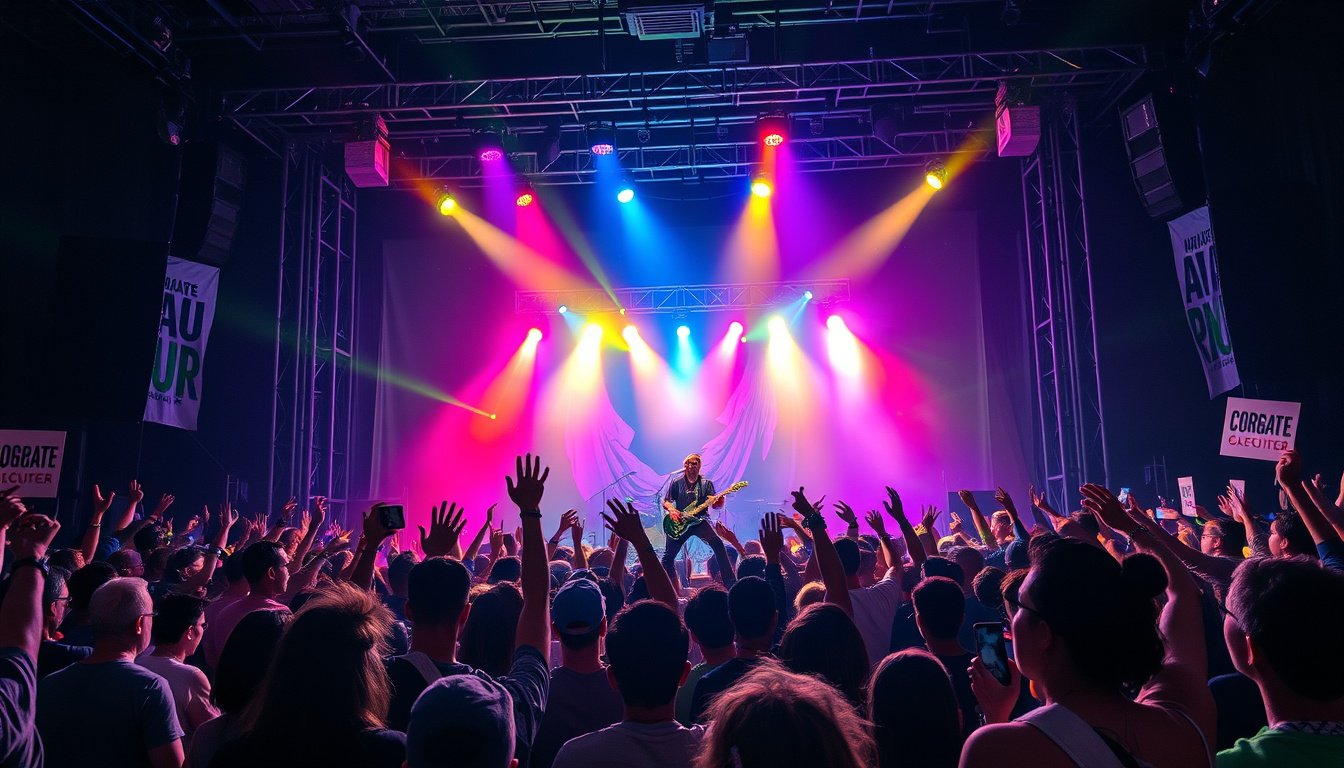
Live concerts have always served as a pivotal platform for artists to express themselves and engage with their audiences on various issues.
Bruce Springsteen, a legendary figure in the music industry, did just that during his recent concert in New Jersey.
However, his performance concluded on a controversial note, with an anti-Trump finale that sparked debates on celebrity activism in modern politics.
While many fans celebrate the Boss’s candidness, others criticize the potential hypocrisy behind his message.
This article delves into the role of celebrity activism, analyzes Springsteen’s controversial final act, and examines its implications on his longstanding legacy.
Key Takeaways
- Bruce Springsteen’s concert finale sparked debate over celebrity involvement in political activism.
- The anti-Trump sentiment expressed during the concert raises questions about hypocrisy in celebrity culture.
- Springsteen’s actions may have implications for his legacy and public perception among diverse audiences.
The Role of Celebrity Activism in Modern Politics
In recent years, the role of celebrity activism in modern politics has grown significantly, especially within the realm of live concerts.
Artists like Bruce Springsteen have leveraged their platforms to advocate for political change, often igniting passionate reactions from their audiences.
At a Springsteen concert, for instance, the blend of music and political messaging can create a potent atmosphere, but it can also draw criticism.
A recent concert in New Jersey was purportedly marred by accusations of hypocrisy during an anti-Trump act, highlighting the delicate balance artists must strike between self-expression and audience reception.
One could argue that while the intention behind such activism is generally noble, it risks alienating segments of an audience that may not share the same political views, thereby transforming a night of entertainment into a polarizing experience.
Nonetheless, the impact of celebrity activism cannot be understated as it reflects a larger trend in society where public figures feel compelled to use their influence to address social issues, shaping the political landscape in nuanced ways.
As fans attend live shows, they are not only there for the music but also to engage with the cultural conversations surrounding these topics, making concerts a unique platform for activism and a stage for significant societal dialogue.
Analyzing the Impact of Springsteen’s Anti-Trump Finale on His Legacy
As the lights dimmed and the crowd erupted in cheers, Bruce Springsteen’s live concert in New Jersey was poised to be a captivating experience.
However, the night took a controversial turn with his pointed anti-Trump final act, prompting discussions that could significantly influence his legacy.
Springsteen, known for his evocative storytelling through music, has often intertwined social and political themes within his performances.
Yet, his recent comments critics have labeled as ‘hypocritical’ have polarized audiences, blending his musical artistry with political discourse in a challenging way.
For fans who attend live concerts, the implications of an artist’s political stances might overshadow their expectations for entertainment, transforming the concert into a forum for broader societal debates.
In the realm of live performances, the line between art and activism is delicate and impactful.
While Springsteen’s intent may be to address pressing issues, the execution can sometimes alienate segments of his fan base who attend primarily for the music.
As we reflect on the recent concert, it is essential to evaluate how moments like this could affect the future of live music, where artists navigate an increasingly divided political landscape while striving to connect with their audiences through the universal language of song.